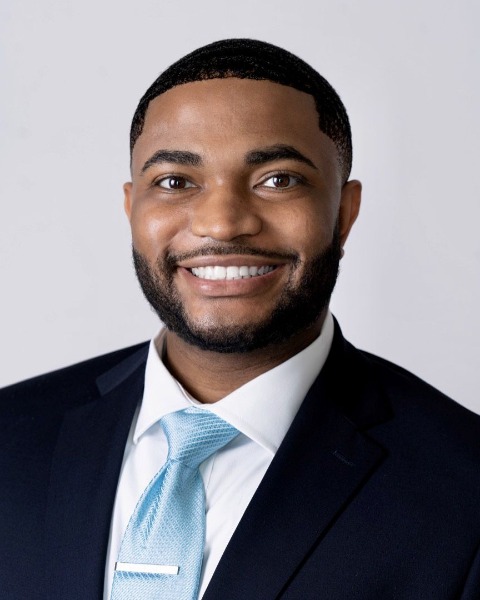
Faculty American University of the Caribbean School of Medicine
Introduction: Global Neurosurgery gained recognition in 2016 with the Bogota Declaration, emphasizing the need for collaboration to address disparities in neurosurgical care. This initiative has evolved into a recognized academic subspecialty, with a second declaration planned for Boston in 2025. This study investigates the role of non-governmental organizations (NGOs) in advancing Global Neurosurgery, focusing on workforce development, research capacity, collaborative networks, outreach, and health system strengthening in underserved areas.
Methods: We employed a mixed-methods approach, conducting a thorough literature review using PubMed, Embase, and Global Index Medicus to ensure comprehensive inclusion of studies on NGO contributions. This review was supplemented with data from NGO websites, social media, and annual reports, providing a robust assessment of NGO impact on neurosurgical care and identifying effective strategies in underserved regions.
Results: Our findings reveal diverse development practices among 22 NGOs engaged in neurosurgery and global surgery initiatives, ranging from proactive engagement and transparency to limited outreach efforts. Key achievements include innovative training programs that facilitated knowledge transfer, sustainable research initiatives that strengthened local capacities, and professional development efforts that enhanced skill sets. NGO involvement in advocacy and policy has raised global awareness and improved access to care, resulting in a significant reduction in neurosurgical disparities, particularly through infrastructure development and localized outreach programs.
Conclusion : Enhancing transparency and fostering collaboration among NGOs can substantially improve equitable neurosurgical care worldwide. To maximize their impact, NGOs must urgently work with neurosurgical stakeholders to leverage their collective strengths. Future initiatives should prioritize quantifying outcomes and developing targeted strategies that empower NGOs, ultimately advancing global neurosurgical equity and ensuring underserved populations receive the timely care they need.

.jpg)