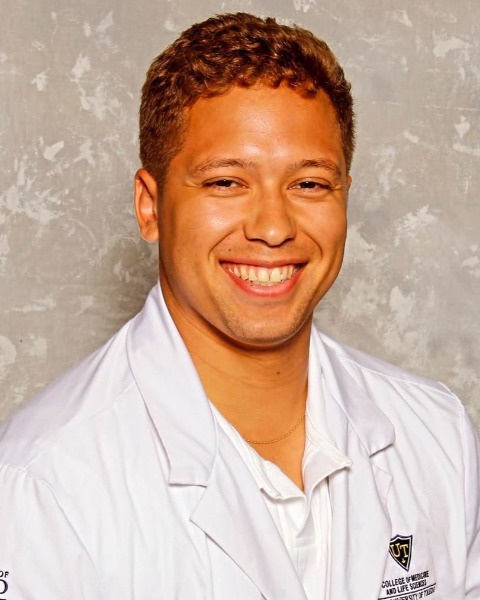
Medical Student The University of Toledo College of Medicine
Introduction: Matching into neurosurgery residency within the United States is one of the most competitive for medical students. Pursuing a neurosurgery pre-residency fellowship program is becoming a popular option among domestic applicants, as well as international medical graduates (IMGs), who are unsuccessful in their neurosurgery match or wish to create a more competitive application. The aim of this study was to review the University of Miami’s pre-residency fellowship program experience to date and to evaluate its impact on domestic and IMG neurosurgery residency application outcomes.
Methods: Records were retrospectively reviewed for all pre-residency fellows that rotated within the Department of Neurosurgery at the University of Miami between 2000 (inception) to 2024 with match success rate the primary outcome of interest.
Results: A total of 23 pre-residency fellows trained within the Department of Neurosurgery since the inception of the program. were identified during the study period of 2000 to 2024. There were 15 (65%) IMGs and 8 (35%) domestic medical graduates based on previous medical education. All the fellows successfully completed their pre-residency training, and 12 (53%) successfully matched into neurosurgery. Another significant trend noted was that IMGs had more research and post-graduate neurosurgical experiences compared to U.S. medical graduates at time their fellowship began.
Conclusion : Pre-residency fellowship programs are a feasible and tangible alternative route for neurosurgery match applicants who wish to augment their application. The outcomes of our pre-residency fellowship are promising, particularly for IMGs, however more prospective data and experiences across multiple departments are required to truly understand parameters of success for pre-residency fellowships within neurosurgery.

.jpg)